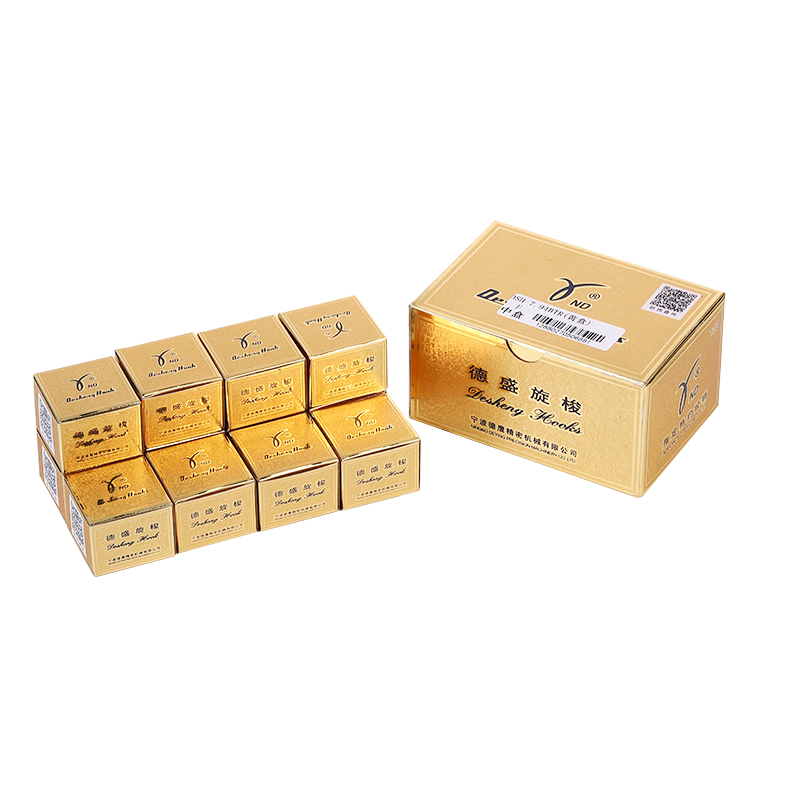
Unexpected machine shutdowns and product rework caused by sewing malfunctions are persistent headaches for factories specializing in shoe and luggage manufacturing. Most frequent issues including thread snapping, skipped stitches and loose looping stem from neglected lubrication maintenance and mismatched component fitting details. Compiled from real-world workshop maintenance experience, this comprehensive troubleshooting guide covers lubrication inspection and mainstream fault fixes to help you resolve recurring sewing problems efficiently and pick durable replacement rotary hook from our product collection when parts wear out.
🔧 Step One: Optimize Rotary Hook Lubrication to Resolve 80% of Hidden Machine Issues
Regarded as the core component of industrial sewing equipment, the rotary hook’s lubrication condition directly impacts equipment running stability and service lifespan. Many maintenance workers rush to tweak stitch settings once faults emerge while ignoring basic lubrication checks, which only worsens existing malfunctions.
1. Standard Lubrication Inspection Specifications
To test proper oil supply volume, attach test paper to the sliding groove of the hook bed, run the machine without fabric for 10 seconds, then compare the resulting oil stain against standard benchmarks:
- Oil stain depth varies from 10mg/L to 90mg/L. Faint staining signals insufficient lubrication that leads to stiff hook rotation and accelerated part abrasion; excessive dark oil marks mean over-lubrication, resulting in oil contamination on finished shoe and bag fabrics.
- Fine-tune oil output via the adjusting screw mounted on the bottom shaft sleeve: turn clockwise to raise oil flow and counterclockwise to reduce it. Conduct a 30-second no-load trial run after every minor adjustment and recheck oil traces to avoid excessive single modification.
2. Consequential Problems from Inadequate Lubrication
- Stiff rotary hook rotation disturbs hook pickup timing, triggering skipped stitches and loose thread looping;
- Increased mechanical friction dulls the hook tip gradually, scratching sewing threads and causing unexplained thread breakage;
- Poor lubrication speeds up component aging, shortening the service cycle of rotary hooks and needle bars and pushing up long-term maintenance expenses. When your old hook is severely worn, upgrading to high-precision rotary hook is the most cost-effective solution.
🛠️ Four Prevalent Sewing Faults & Practical Troubleshooting Solutions
Below is targeted troubleshooting for four most common defects encountered during shoe material sewing:
1. Random Thread Breakage
Thread breakage happens frequently when stitching thick shoe-grade fabrics. Apart from inferior thread quality, mechanical defects account for most failures:
| Fault Cause | Inspection & Remedial Measures |
|---|---|
| Improper matching between rotary hook and sewing needle | Calibrate needle installation height and hook stitching timing; ensure the hook tip catches the upper thread loop precisely as the needle hits its lowest travel point |
| Burrs or scratches across the entire thread path | Run fingertips over thread guides, needle plate and hook surface; smooth out rough burrs with fine oil stones to prevent threads from being cut by sharp edges |
| Abnormal sewing thread tension | Modify pressure of thread tension discs: relax tension for thick textiles and moderately tighten settings for thin materials; inspect elasticity of the thread take-up spring simultaneously |
| Dry rotary hook due to lacking lubricant | Re-examine hook lubrication status, refill dedicated sewing machine oil, and clear accumulated lint and sludge inside the hook assembly if required. Replace with premium rotary hook if internal wear cannot be repaired |
2.Continuous & Occasional Loose Thread Looping
Thread looping is mainly related to hook thread releasing timing and thread tension, with separate solutions for two scenarios:
Persistent looping: Caused by systematic setup errors. Prioritize checking too-small gaps between bobbin holder and positioning part or jamming hook rotation; align hook operating speed with thread tension values.
Sporadic looping: Check for over-twisted or oversized raw sewing thread; adjust the hook’s thread release timing to guarantee smooth detachment of upper thread from the bobbin frame. Persistent timing failure usually results from worn hook tip, swap for brand-new industrial-grade rotary hook to fix permanently.
3.Skipped Stitches
Skipping occurs when the hook tip fails to catch the formed upper thread loop; follow this inspection sequence:
Gap between needle and hook tip: Excessive clearance stops loop capture. Adjust hook placement to keep the clearance within 0.05–0.1mm.
Defective sewing needle: Replace bent, blunt or overheated needles with professional heavy-duty needles customized for leather and thick shoe fabrics.
Worn hook tip: Long-term thick-material sewing rounds the hook tip. Install a brand-new rotary hook once the tip loses its sharpness.
4.Thread Jamming on Needle or Bobbin Side
Thread blockages mostly appear at startup or idle operation, especially prominent in shoe material production:
- Loose starting thread: Modify startup parameter settings to boost initial thread tension and avoid messy knotting;
- Failed fabric feeding during idling: Adjust feed dog height and feed cam to maintain regular material delivery under empty running conditions;
- Bobbin thread stuck inside casing: Manually pull out bobbin thread end before every sewing session to prevent trapping inside the bobbin shell.
💡 Expert Maintenance Advice From Veteran Workshop Operators
- Since shoe raw materials feature high thickness and hardness, always equip machines with dedicated leather/thick-fabric needles and matching industrial sewing threads instead of regular fittings to reduce needle bending and overheating damage.
- Complete full lubrication inspection and no-load pre-operation test before starting mass production to prevent bulk fabric scrapping caused by sudden machine faults.
- Schedule periodic replacement for consumable parts including rotary hooks and bobbin casings instead of delaying replacement until severe wear occurs, safeguarding uninterrupted production efficiency. Browse our product page to source high durability rotary hook compatible with most mainstream industrial sewing machines.
All complicated sewing failures can be fixed rapidly following the troubleshooting order: lubrication inspection → component matching calibration → thread tension adjustment. Stable machine operation relies on 30% emergency repair and 70% daily preventive maintenance; standardized routine upkeep effectively lifts overall workshop production efficiency.